


In today’s world, our respiratory systems face a constant barrage: pollution, stress, viral infections, smoke, allergens. But what if you could begin restoring and strengthening your lungs – not with pills or panic, but with your plate, your breath, and a few grounded practices?
This guide shares foods, herbs, and simple daily habits that support and restore your lungs naturally.
Let’s breathe easier.
Why Lung Health Matters (More Than Ever)
Respiratory wellness is foundational. Our lungs filter air, deliver oxygen to our cells, and help expel toxins. But over time, inflammation, poor diet, sedentary living, and polluted environments can reduce lung capacity — and with it, energy, clarity, and immunity.
Supporting your lungs doesn’t require a total life overhaul. Just start with small, intentional shifts in what you eat, how you breathe, and how you care for your environment.
Let’s begin with your kitchen.
7 Foods That Support Lung Health

Healthy, green smoothie (Toni Cuenca, Pexels)
These foods nourish your lungs at a cellular level, easing bronchial swelling, increasing oxygenation, and promoting repair.
- Fatty fish such as salmon, sardines, and mackerel are high in omega-3s, which control lung inflammation and help prevent airway constriction.
- Leafy greens like spinach, kale, and moringa leaves are packed with antioxidants and fiber. They support lung health and overall detox.
- Apples contain quercetin, a flavonoid shown to protect the lungs and reduce oxidative stress.
- Tomatoes are rich in the compound lycopene which promotes healthy airways and reduces inflammation.
- Whole Grains like oats, quinoa, and millet support respiratory muscle function and immune strength with essential B vitamins and fiber.
- Berries including blueberries, strawberries, and raspberries fight lung-damaging free radicals with high levels of antioxidants.
- Beets enhance oxygen uptake and athletic performance courtesy of their natural nitrates which help dilate blood vessels.
Tip: Build a “breathe-easy” bowl with quinoa, roasted beets, steamed greens, and grilled salmon – with fresh lemon juice.
Herbs and Roots That Heal
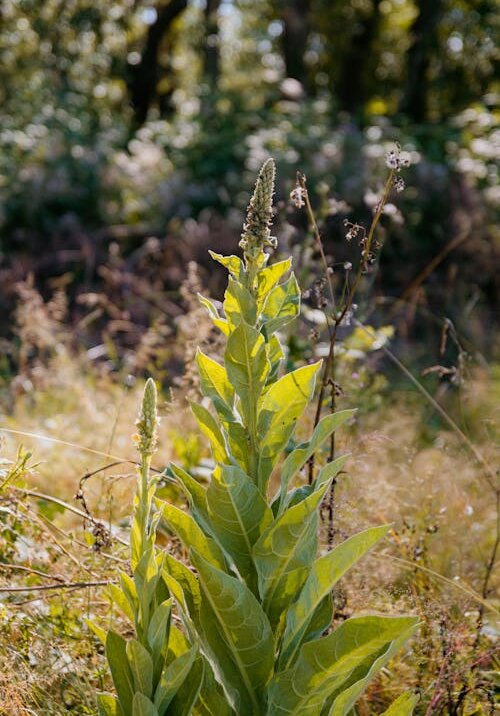
Mullein plant (Kathrine Birch, Pexels)
For thousands of years, humans relied on herbs and roots to manage illnesses and keep healthy. And this nature’s medicine cabinet is filled with plant allies that clear airways, reduce mucus, and nourish respiratory tissues.
- Mullein
Soothes the respiratory tract and supports expectoration. Great for smokers and post-viral cough. Take as tea or tincture. - Licorice Root
Acts as a soothing agent (demulcent). Licorice tea or in a blend is ideal for dry, irritated throat and lungs. - Black Seed (Nigella sativa)
This anti-inflammatory powerhouse has for long been used in traditional medicine to ease asthma and boost immunity. Black seed is taken as capsules or black seed oil. - Thyme
Contains thymol, a compound that relaxes bronchial muscles and acts as an antimicrobial. Brew as tea or use in steam inhalation - Eucalyptus
Clears nasal and bronchial passages through its strong menthol aroma. Steam or use in a diffuser. - Bonus idea: Combine mullein + thyme + licorice root in a tea for a lung-soothing blend.
Spices for the Breath

Collection of spices (Christopher Welsch Leveroni, Pexels)
I bet you have some, if not all of the following spices in your kitchen. But are you aware that these everyday spices can do more than spice your food?
- Turmeric
Contains curcumin, a compound that has powerful anti-inflammatory and immune-balancing properties. Best absorbed when paired with black pepper. Take in golden milk or add to curries. - Ginger
Has a warming effect in the body, relaxes airways, and reduces coughing. Use as ginger tea with lemon + honey.
- Garlic
Natural antibacterial and antiviral agent; supports lung health and general immunity.
Best when raw or lightly cooked in meals.
- Cayenne
Contains capsaicin, which stimulates the lungs and helps expel mucus. Sprinkle into meals or take in small doses with honey and lemon. - Oregano
Antibacterial and antiviral. Helpful with respiratory infections. Use as an essential oil (diluted), tincture, or culinary herb.
Movement and Lifestyle for Clearer Lungs

Taking a walk in the woods. (Johannes Plenio, Pexels)
Food and herbs are powerful, but good health results from synergies of these and more. Incorporating the following daily habits will have significant positive impact on your respiratory health:
- Daily Movement
Walking, swimming, or gentle cardio increases lung capacity and oxygen flow.
*Start with 20 minutes a day. - Breathwork
Try “pursed-lip breathing” or slow nasal breathing for 5 minutes to improve oxygen absorption.
* Great during moments of stress or shortness of breath. - Clean Air
Open windows, avoid indoor smoke, and add air-purifying plants like aloe or snake plant.
*Consider a HEPA air filter if you’re in an urban or dusty area. - Hydration
Mucus in the lungs thins when you’re hydrated, making it easier to breathe and expel irritants.
A Simple Lung-Support Ritual (Try This Today)
Morning:
- Warm lemon water + ginger
- 3 minutes of nasal breathing
- 5-minute walk
Midday:
- Take a green smoothie with spinach, berries, and turmeric
- Deep breath + soft “ha” sound on exhale
- Open windows for fresh air
Evening:
- Steam with eucalyptus oil
- Herbal tea (thyme + mullein)
- Slow breathing before sleeping: “I breathe in peace. I exhale what no longer serves.”
Final Word: Breath Is Spirit
Caring for your lungs isn’t merely about physical health. It’s about living more consciously and in balance. Living with the rhythm of life exemplified by the inhale and exhale that you otherwise never notice.
And whether you’re recovering from a respiratory condition, working on strengthening your immunity, or simply seeking more energy and clarity, these natural supports are simple, effective, and deeply rooted in both science and traditional wisdom.
So, take a slow, deep breath. Exhale fully. And begin where you are.
Reference Sources
Healthline: 9 Best Foods for Lung Health: https://www.healthline.com/nutrition/lung-cleansing-foods
Cleveland Clinic: Mullein Benefits: An Herbal Remedy for Respiratory Health:
https://health.clevelandclinic.org/mullein-benefits
Gaia Herbs: 10 Herbs to Support Lungs and Respiratory Health: https://www.gaiaherbs.com/blogs/seeds-of-knowledge/herbs-for-lungs
Times of India: 5 Spices to Improve Respiratory Health: https://timesofindia.indiatimes.com/life-style/food-news/5-spices-to-improve-respiratory-health-natural-support-for-lung-health/articleshow/108140484.cms
American Lung Association. (n.d.). Exercise and Lung Health.
URL: https://www.lung.org/lung-health-diseases/wellness/exercise-and-lung-health